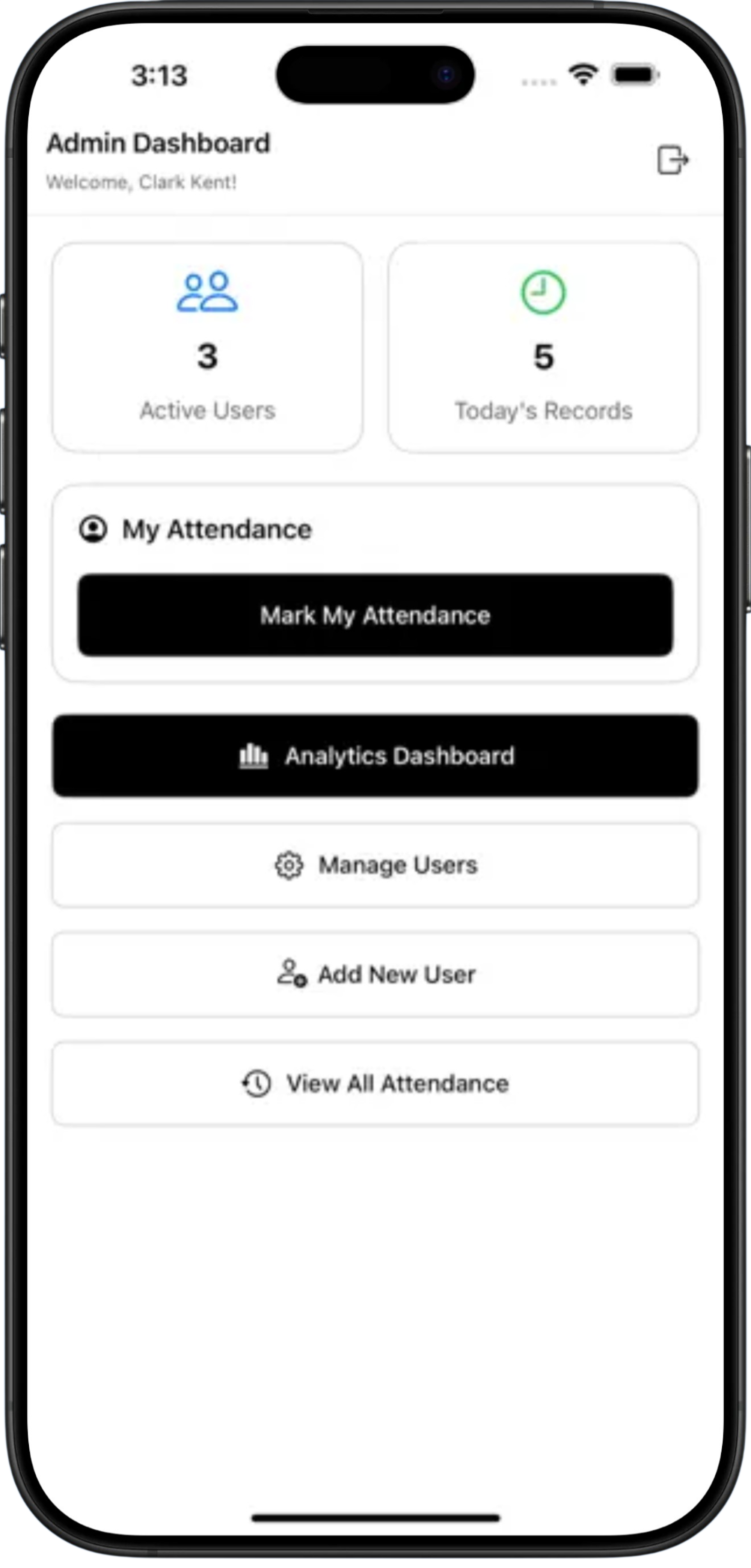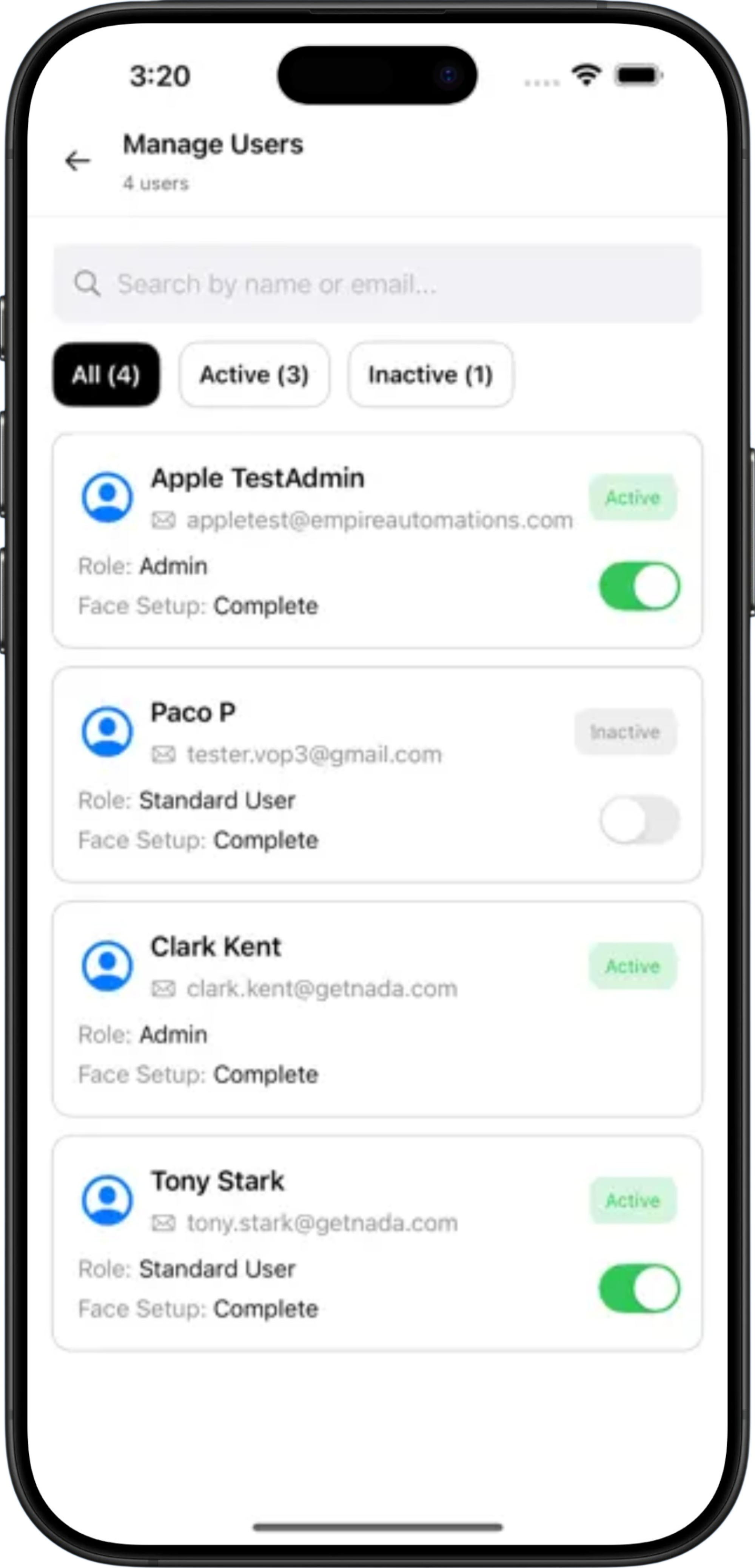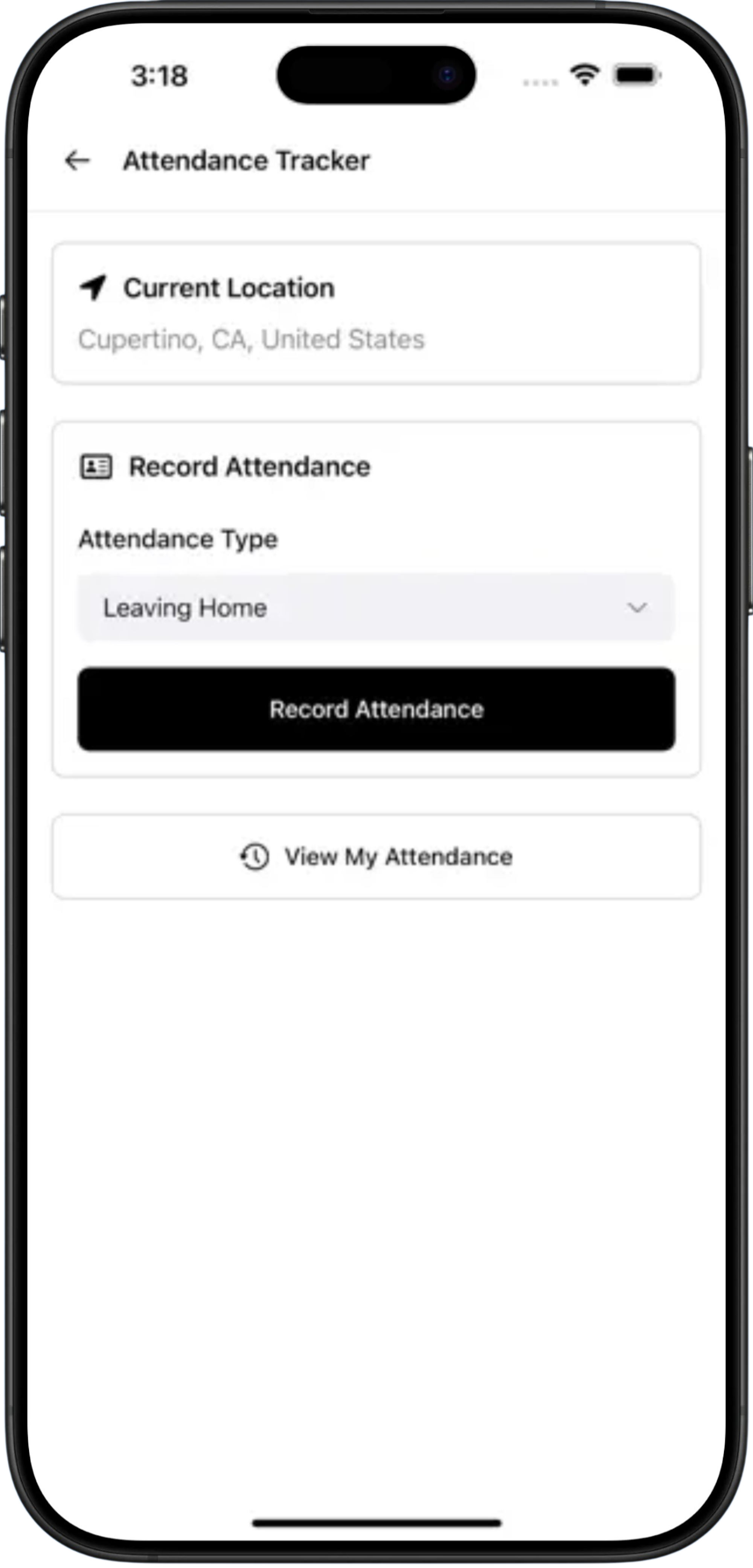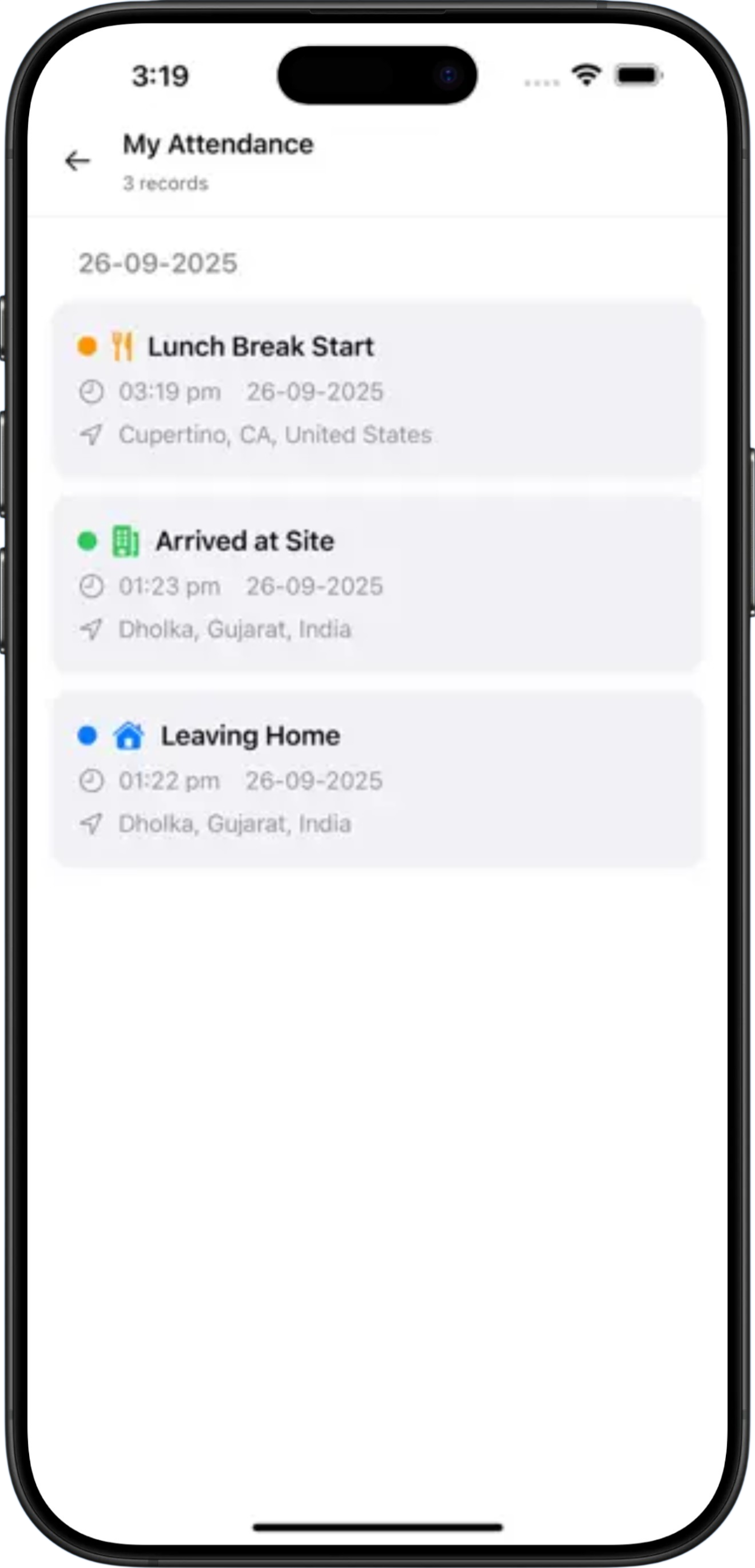
Empire Automations is a smart home control platform designed to manage and automate connected devices through a centralized mobile interface. It enables users to monitor device states, control appliances in real time, and organize multiple smart components within a clean and intuitive dashboard.
Empire Automations delivers a unified mobile experience for controlling smart home devices, enabling users to monitor, automate, and manage lighting, appliances, and connected systems from a single dashboard. The application focuses on real-time responsiveness, intuitive control flows, and reliable device synchronization. Built to simplify home automation, the platform combines structured device grouping, quick-toggle interactions, and scalable architecture to support expanding IoT ecosystems. The goal is to create a seamless bridge between physical smart devices and digital control experiences.
Project goals
Deliver a centralized and responsive mobile interface for managing smart home ecosystems.
Simplify Smart Home Management
Deliver a centralized mobile control interface that unifies multiple connected devices into a single, intuitive dashboard, eliminating fragmented control experiences across different systems.
Enable Real-Time Responsiveness
Ensure low-latency communication between devices and the mobile application, providing instant feedback and reliable command execution for a seamless automation experience.
Improve Device Organization
Structure device grouping through room-based hierarchies and logical categorization to reduce cognitive overload and enhance usability in multi-device environments.
Support Scalable IoT Ecosystems
Design a flexible and scalable architecture capable of supporting expanding smart home networks, additional device categories, and future automation integrations.
Features built around users
Essential features enabling efficient and intelligent home automation control.
Centralized Device Dashboard
Manage multiple connected devices from a unified dashboard with real-time state visibility and quick-toggle interactions.
Room-Based Device Grouping
Organize devices by room or zone to simplify navigation and improve structured control across the home environment.
Real-Time Device Control
Instantly control lighting, switches, and smart systems with minimal latency through optimized IoT communication layers.
Automation Scheduling
Create timed or condition-based automation routines to streamline recurring daily tasks.
Secure Device Access
Secure authentication and controlled device access to ensure reliable and safe remote operation.
Challenges and solutions
Overcoming IoT connectivity, latency, and device-state synchronization challenges.
Managing Real-Time Device Synchronization
Maintaining consistent device state across multiple connected systems required low-latency communication and reliable state reconciliation. We implemented optimized real-time protocols with acknowledgment handling and periodic state validation to ensure accurate device updates and minimal control delay during user interactions.
Handling Device Connectivity Variability
IoT environments often face unstable networks and intermittent device availability. We built resilient reconnection mechanisms, fallback logic, and intelligent state restoration workflows to manage connectivity disruptions without compromising user control reliability.
Designing an Intuitive IoT Interface
Smart home ecosystems can quickly become complex with multiple rooms and devices. We designed simplified dashboards, room-based grouping, and visual state indicators to reduce cognitive overload while maintaining full control visibility and accessibility.
User experience decisions
Designing intuitive smart home experiences with clarity and instant responsiveness.
Clarity in Control
The interface prioritizes immediate visibility of device states, ensuring users can quickly identify active, inactive, or automated systems without navigating deep menus.
Low-Latency Feedback
Visual feedback is triggered instantly upon interaction, reinforcing trust that automation commands have been executed successfully and reducing uncertainty in remote control scenarios.
Structured Device Hierarchy
Devices are organized into logical room-based and category-based groupings, minimizing complexity and allowing users to scale their smart home setup without confusion.
Minimal Interaction Flow
Quick toggles, swipe actions, and accessible shortcuts reduce friction in daily usage, ensuring that common automation tasks can be completed within seconds.
Mobile and IoT integration technologies powering real-time automation control.
- Flutter / Native iOS
- Device Communication APIs
- Cloud-Based APIs
- Socket / MQTT Protocol
Engineering a Reliable Smart Home Platform
Structured IoT development process ensuring reliability and performance.
IoT Requirement Analysis
Analyzed smart device communication standards, network constraints, and real-time interaction requirements to define a scalable control architecture.
UX Architecture
Designed structured dashboards, device grouping systems, and interaction hierarchies focused on clarity and rapid control execution.
Protocol Integration
Integrated real-time communication layers using optimized protocols to ensure consistent device synchronization and secure command execution.
Performance & Stability Testing
Conducted stress testing across multiple devices and network conditions to validate responsiveness, synchronization accuracy, and reconnection stability.
Deployment & Iteration
Released iterative improvements based on performance analytics and user interaction patterns to continuously refine automation workflows.
Results and impact
Enhancing daily convenience through smarter home interaction flows.
Improved Smart Home Control Efficiency
Centralized dashboards reduced the time required to manage and configure connected devices.
Stable Real-Time Interactions
Optimized communication layers improved responsiveness and reduced control delays.
Enhanced Device Visibility
Structured grouping increased clarity and usability in multi-device environments.
Scalable IoT Foundation
Architecture supports expansion across additional smart home categories.
Core dashboards, device control screens, and automation configurations.