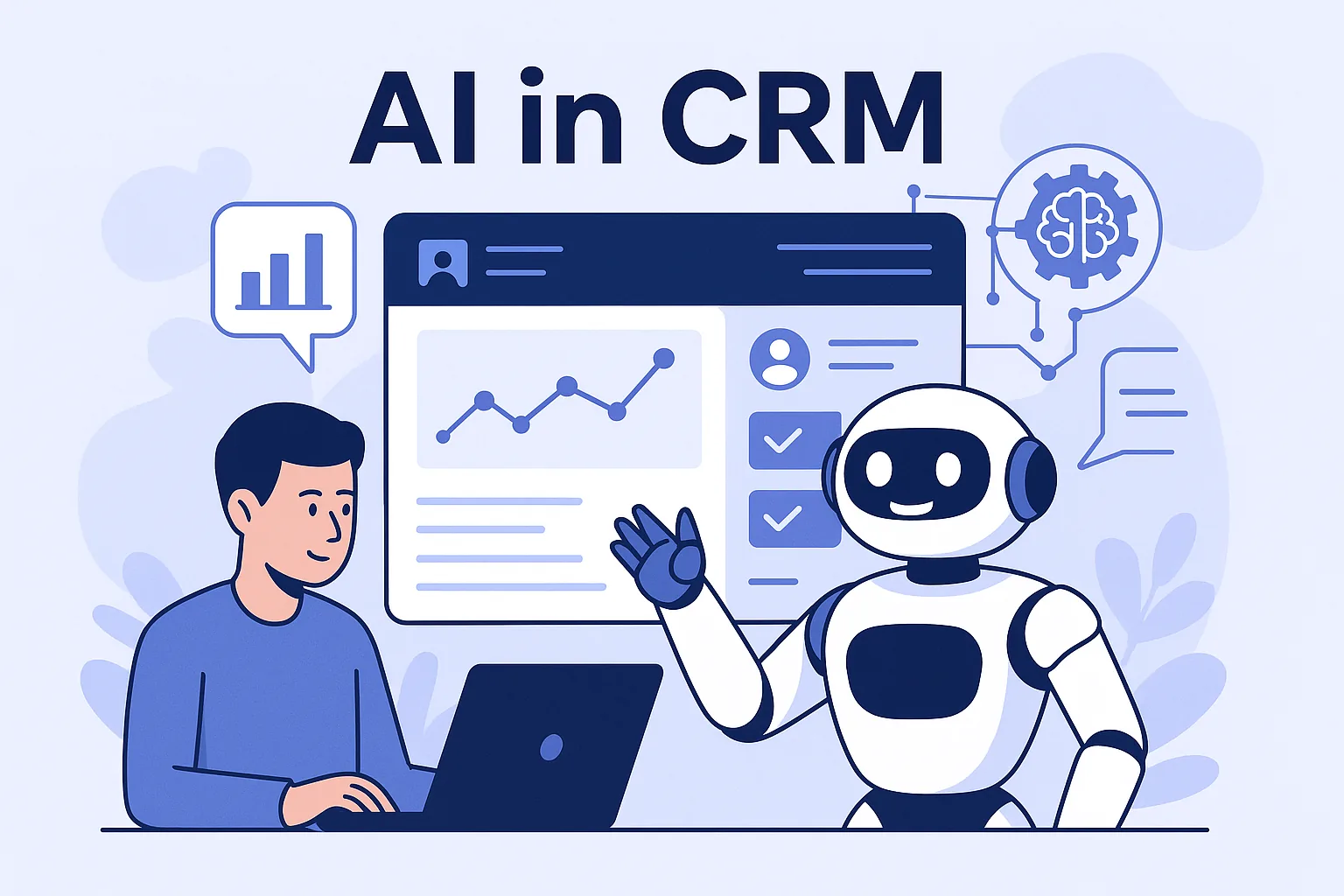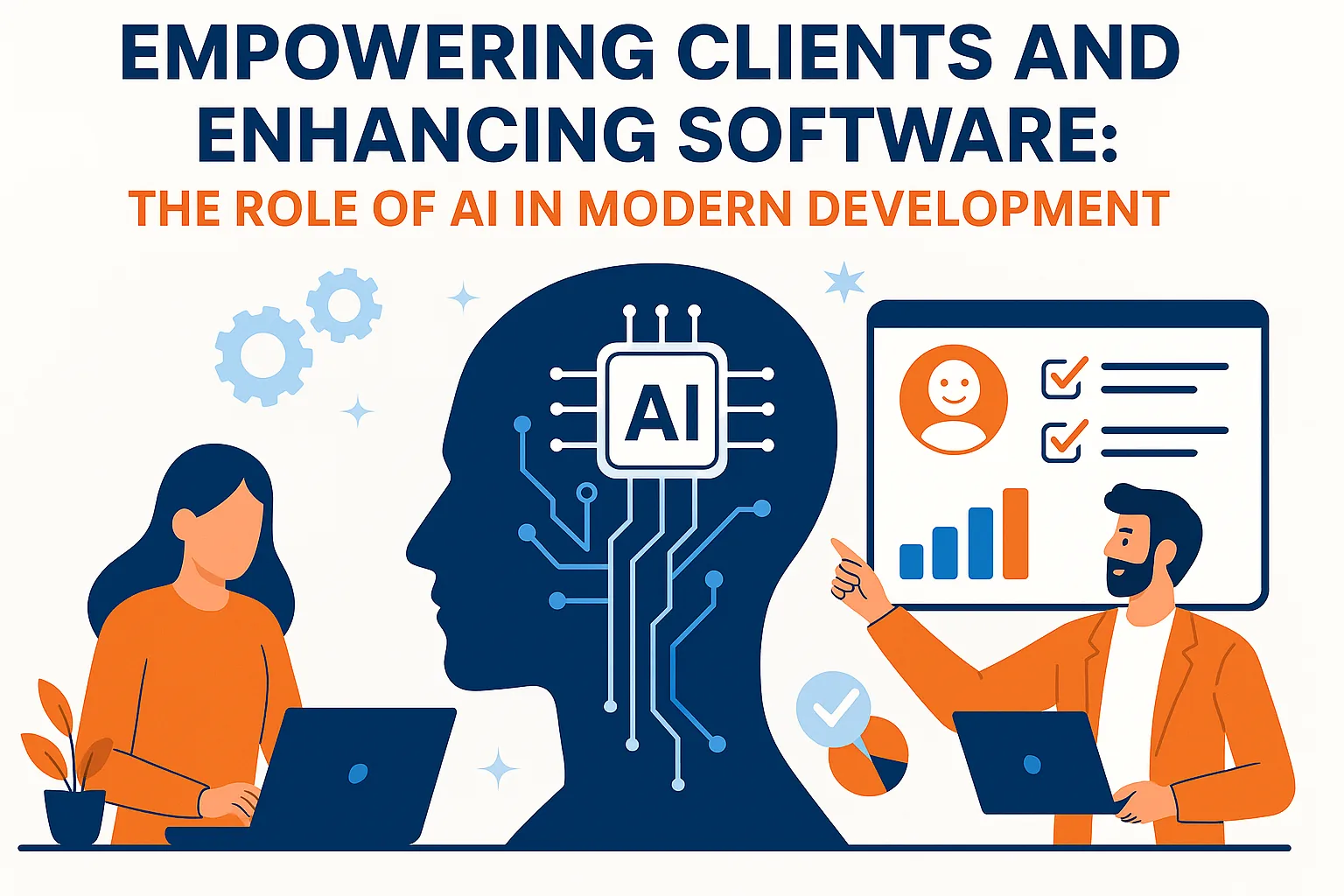


AI chatbots are transforming support systems with instant replies and automation, but human support still plays a vital role in solving complex software issues. Which is right for your business?
In the world of software development, customer support goes beyond answering simple questions. Clients expect guidance on integrations, bug fixes, and feature requests—which makes choosing the right support model critical.
AI chatbots shine in handling repetitive queries such as pricing details, login issues, or directing users to resources. They're quick, tireless, and available around the clock. For lean dev teams, this automation can be a game-changer.
However, when a customer faces a nuanced issue—like debugging a failed API integration or understanding why a specific module isn’t working—chatbots fall short. That’s where the empathy and analytical skills of human agents become invaluable.
Instead of choosing one over the other, modern software companies are adopting hybrid models. AI chatbots handle the first interaction, gather context, and escalate to human agents when needed.
Ultimately, your choice should align with your product’s complexity, your audience’s expectations, and your support budget. The smartest approach? Let AI handle what it’s great at, and let humans do what they do best.
Which support queries suit chatbots and which need people?
The simplest way to decide is to sort your past tickets by type. Questions that have a single correct answer documented somewhere are good candidates for a chatbot. Issues that need investigation, judgement or access to a customer’s specific environment are better handled by people, at least after an initial triage step.
If a large share of your tickets are routine questions that already have documented answers, a chatbot can take real pressure off the team. If most are complex investigations, a bot is better used for triage than for resolution. Typical chatbot-friendly requests include the following.
- Password resets, login help and account settings
- Pricing, plans, billing dates and invoice copies
- How-to questions covered by your documentation
- Order or ticket status lookups
- Collecting details before passing a case to an engineer
Designing a smooth handoff from bot to human
The handoff is where many hybrid support setups fail. Customers become frustrated when they cannot reach a person or when they have to repeat everything after being transferred. A good chatbot offers a clear option to talk to a human, recognises signs of frustration, and passes the full conversation, account details and any error messages to the agent.
It also helps to set expectations honestly. If human agents are only available during business hours, the bot should say so and offer to create a ticket with a realistic response time. For enterprise clients, consider routing straight to a named account manager or senior engineer for anything beyond basic questions.
- A visible option to reach a person at any point
- Automatic escalation after repeated failed answers
- Full conversation history passed to the agent
- Honest messaging about human availability and response times
Using AI chatbots built on large language models
Modern chatbots built on large language models can answer in natural language and handle questions phrased in many different ways. To keep answers accurate, they should be grounded in your own knowledge base, documentation and release notes, rather than relying on the model’s general knowledge. Without this grounding, a bot can give confident but wrong answers about your product.
Keep the bot’s scope narrow at first, review conversations regularly, and update documentation when the bot struggles. Gaps in the bot’s answers often reveal gaps in your help content too. Instruct the bot to say when it does not know an answer and to offer a human handoff, rather than guessing about features, pricing or deadlines.
How to measure whether your support model works
Measure the outcome for the customer, not just the number of conversations the bot handled. A bot that closes many chats but leaves customers unresolved simply moves the problem elsewhere, often to email, phone or a frustrated review. Track these measures for bot and human channels separately so you can compare them fairly.
Read a sample of real conversations every week as well. Numbers show trends, but transcripts show why customers were confused or annoyed. Reviewing them together with the support team helps decide which topics the bot should take on next, which ones it should hand over sooner, and where your product itself could be made easier to use.
- First response time and time to resolution
- Resolution rate for bot-only conversations
- Escalation rate and reasons for escalation
- Customer satisfaction scores after each interaction
- Repeat contacts on the same issue
“AI chatbots are efficient. Human agents are empathetic. Together, they redefine modern customer support.”